
Mesopotamia Tour – Day Two: Harran, Göbeklitepe & Mardin
- Kayıhan Badalıoğlu
- 22 Nis 2025
- 3 dakikada okunur

On the second day of our Mesopotamia Tour, we leave central Şanlıurfa behind and head toward the historic town of Harran.
Harran Beehive Houses – A Glimpse into the Past
Our first stop is the iconic Harran Beehive Houses — ancient structures with conical domes that have withstood the test of time thanks to extraordinary maintenance throughout centuries. These dwellings, built with 30–40 layers of mudbrick and reaching up to 5 meters in height, were officially registered as an archaeological and urban heritage site in 1979.
What makes these homes remarkable is their ingenious climate-control design. The exteriors are plastered with mud, while the interiors are coated with a unique mixture of egg whites, clay, straw, and rose oil — a traditional blend that keeps the homes cool in summer and warm in winter.

Not only do these multi-roomed homes impress with their architecture, but they also reveal a social story. The houses are interconnected, often shared by extended families, symbolizing close-knit ties and communal living. The number of domes indicates the family’s wealth, reflecting the social hierarchy of the time. Their rare architectural style is seen only in a few countries, such as Syria and southern Italy, making Harran a truly unique cultural landmark.
Göbeklitepe – The Cradle of Civilization
Next, we visit Göbeklitepe, the archaeological marvel that has taken the world by storm. Dated to around 9600–9500 BCE, it is the oldest known monumental structure built by humans, predating the Egyptian pyramids by over 7,000 years.
Göbeklitepe features massive T-shaped limestone pillars arranged in large circular formations. These megaliths are adorned with animal carvings and abstract symbols, providing clues into early spiritual life. The site is believed to be the world’s first temple, making it a cornerstone for both archaeological and religious history.


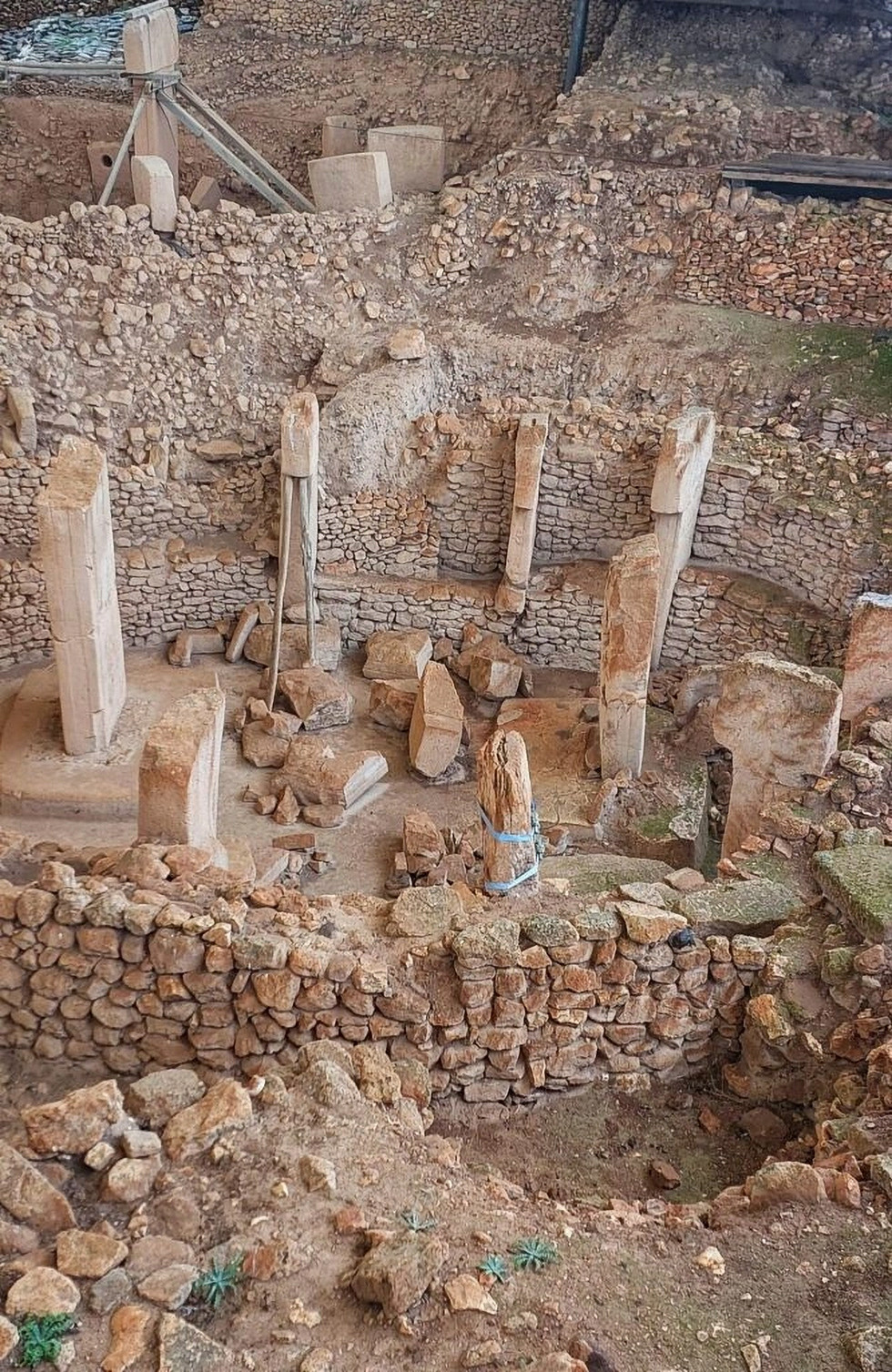
More than just ruins, Göbeklitepe reshapes what we know about early civilization — from hunter-gatherer societies forming organized spiritual centers, to the emergence of agriculture, as evidenced by ancient wheat traces found nearby.
Visiting Göbeklitepe is not just about seeing old stones — it’s about stepping into the dawn of human consciousness and belief systems. One could spend hours soaking in the atmosphere, but our journey must continue…
Mardin – City of Stone and Spirit
We arrive in the majestic city of Mardin, known for its sandstone architecture and deep-rooted multicultural history. Our first destination is the breathtaking Deyrulzafaran Monastery.
Deyrulzafaran Monastery – The Saffron Sanctuary
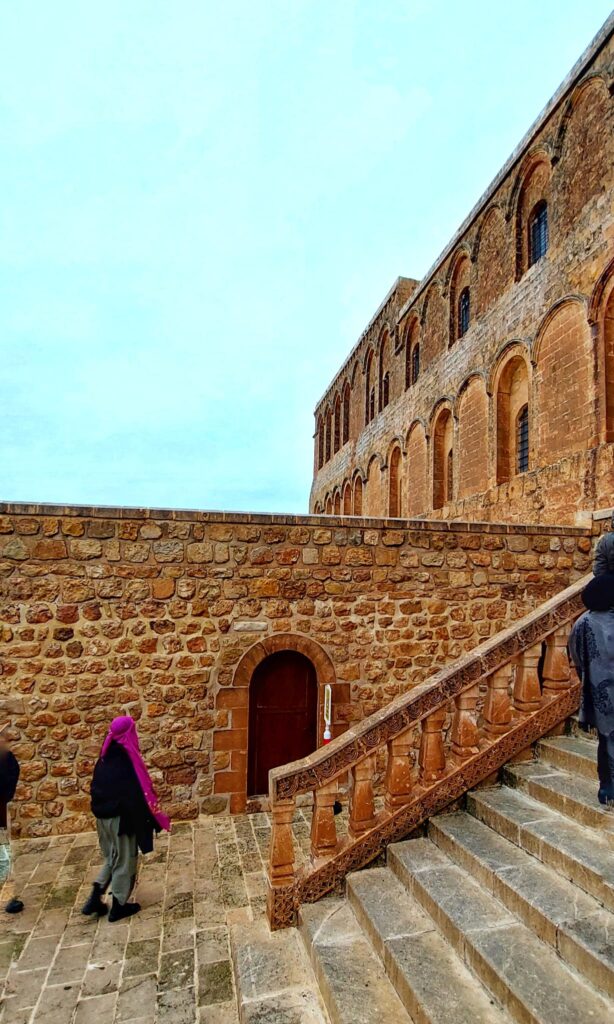
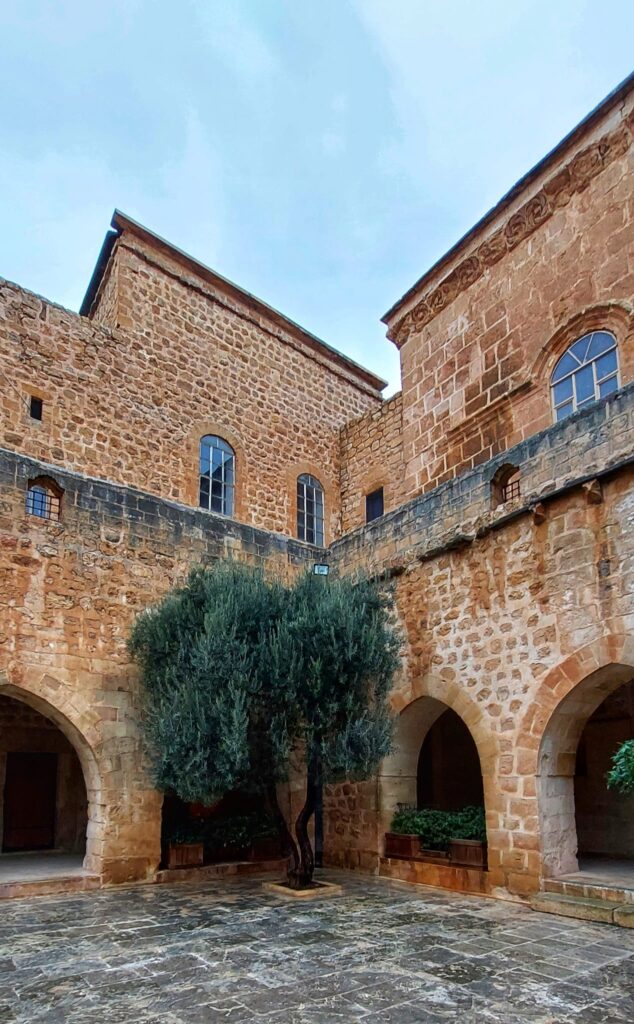
This three-story monastery stands atop the ruins of an ancient sun temple and a Roman-era complex. Over centuries, it has evolved into one of the Syriac Orthodox Church’s most important religious centers. Though once called Mor Sleymun Monastery, it was renamed Mor Hananyo Monastery after major restorations in 793. Later, the surrounding saffron fields inspired its current name — Deyrulzafaran, or "Saffron Monastery."
Its golden domes, intricately carved wooden doors, and graceful arches whisper stories of ancient wisdom. It once housed the region’s first printing press, thanks to Patriarch Peter IV. Today, it still serves as the residence of the Syriac Metropolitan of Mardin.


Kasımiye Medrese – A School of Legacy
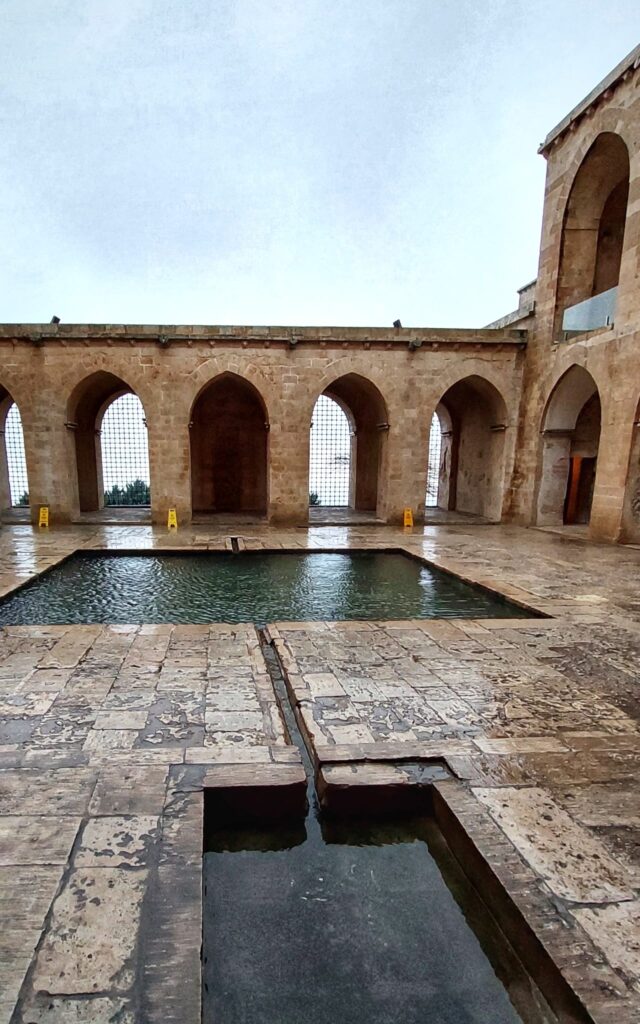
Next, we visit Kasımiye Medrese, an elegant 15th-century Islamic school built on two terraces, featuring a mosque and a tomb. Initiated during the Artuqid era and completed by the Akkoyunlu dynasty, it is named after Sultan Kasım.
Dating back to 1469, the medrese is a symbol of Mardin’s educational and architectural heritage, with its large courtyard, symmetrical two-story layout, and intricate stonework. Though one of the last of its kind from the Artuqid period, its beauty and historical value have only deepened over time.


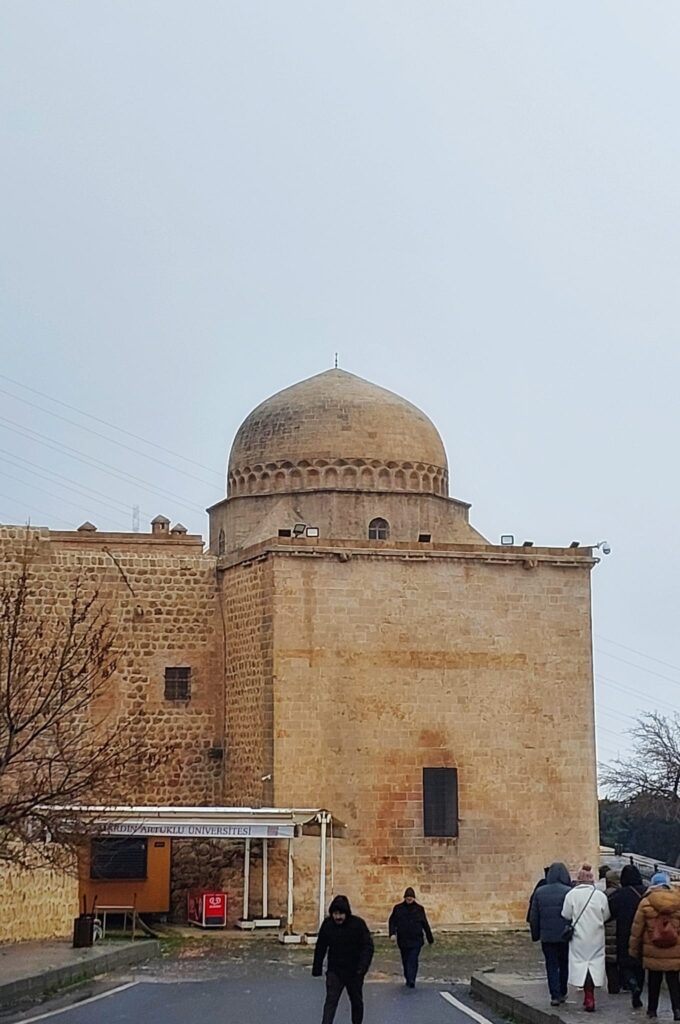
Mardin in the Mist
As evening falls, we reach Mardin city center, but a thick fog and rain limit our exploration. Still, we stroll through the narrow lanes lined with shops selling Syriac pastries, handmade soaps, local wines, and charming souvenirs.
The weather may have masked the city’s grandeur, but the stone houses and winding alleys remain etched in our memory. We end the night in Mardin, marking the halfway point of this unforgettable four-day tour.


Yorumlar